2026-10-07 · Dale Whitaker
How to Identify Hidden Roof Damage After a Severe Tropical Storm
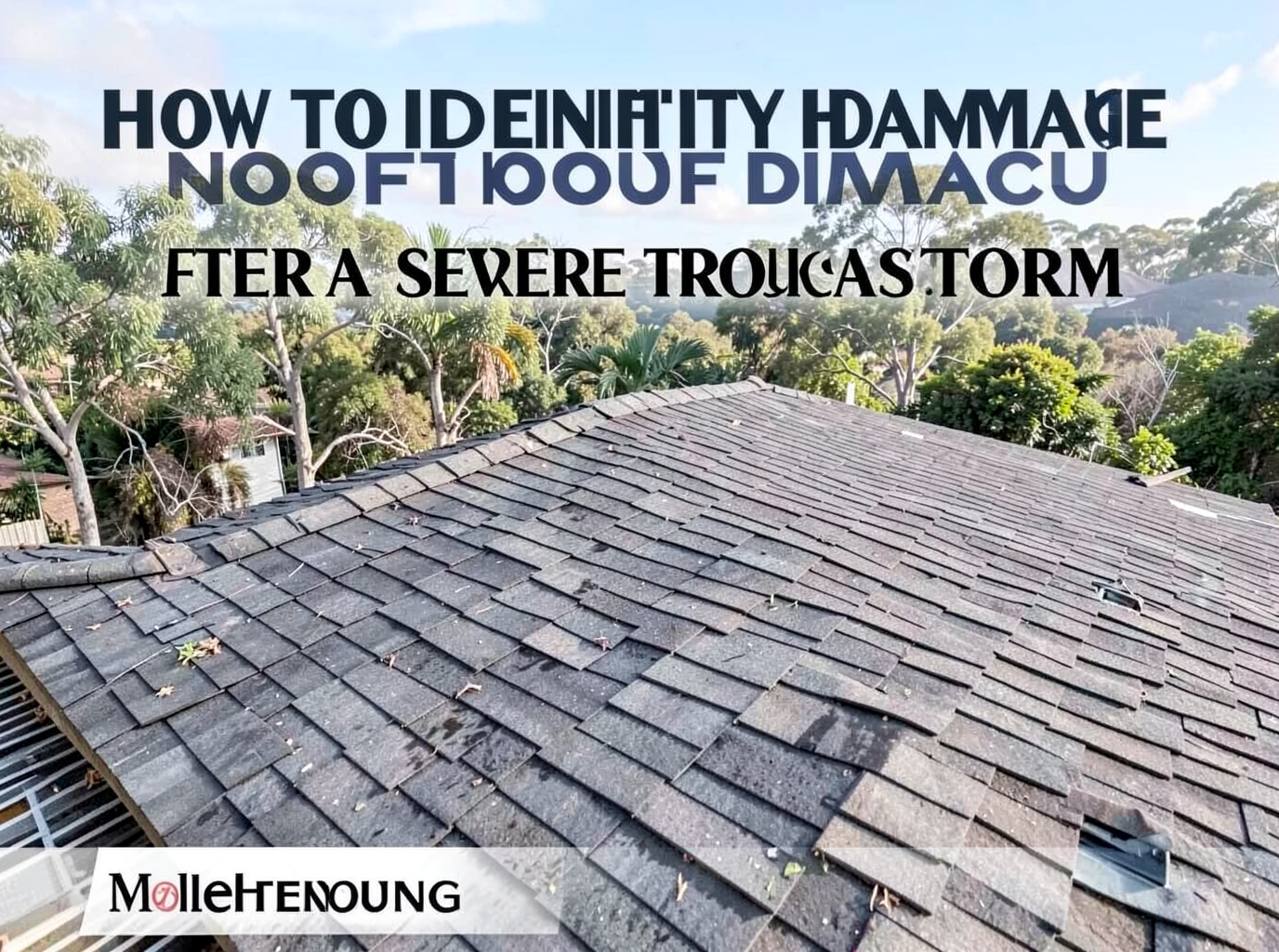
The fastest way to find hidden roof damage after a tropical storm is to work from the inside out: check your attic with a flashlight within 24–48 hours, look for damp decking, daylight, and ceiling stains, then inspect the exterior for lifted shingles, exposed nails, and bent flashing. Wind-driven rain forced under shingles often leaves a roof looking fine from the street while the plywood underneath is soaking. In Melbourne and across Brevard County, where storms push rain sideways off the Atlantic, that hidden moisture is the damage that turns into mold and rot within 2–3 weeks if it isn't dried out and repaired.
Start in the Attic, Not on the Roof
Safety comes first, so begin indoors. Wait until winds have fully passed, then take a bright flashlight into the attic and look at the underside of the roof deck, especially around plumbing vents, chimneys, and the lowest edges of the slope. Many homes in Eau Gallie, Indialantic, and Satellite Beach were built with plywood or 1x6 plank decking, and both show water the same way: dark, ring-shaped stains and a dampness you can feel with your palm.
Here is what to look for:
- Daylight coming through the deck, which means a missing or displaced fastener or a punctured section
- Dark or dripping nail tips, a sign that humid air and moisture are condensing or leaking at the penetrations
- Wet, compressed, or clumped insulation, which can hold water for weeks
- Sagging decking between rafters, often a sign of a soaked panel that has lost strength
- A musty smell, which signals moisture trapped for more than a day or two
Take dated photos of anything you find. Humid subtropical air moderated by the ocean keeps attics damp even after the rain stops, so a spot that feels dry on day one may reappear after the next afternoon storm.
Read the Ceilings and Walls for Slow Leaks
Interior clues often show up days after the storm, and homeowners dismiss them as old stains. Walk each room under the roof with a flashlight held flat against the ceiling; side-lighting reveals subtle bubbling, sagging drywall, and faint tan rings that overhead lights hide. Press gently on discolored areas. Soft, spongy drywall means water has been sitting above it, and a stain that grows from a quarter-sized spot to a dinner plate over a few days points to an active leak.
Check the corners where walls meet ceilings, around recessed lights and bathroom exhaust fans, and along exterior walls beneath roof-to-wall transitions. In concrete block homes common in Melbourne, Palm Bay, and West Melbourne, water frequently tracks along the top plate and appears several feet from the actual entry point, so the stain is rarely directly under the hole. Peeling paint, new hairline cracks, and doors that suddenly stick can also indicate moisture-swollen framing. If you see any of these, a targeted roof leak detection and structural repair visit can trace the source with moisture meters rather than guesswork.
Inspect the Exterior From the Ground First
Do not climb a wet roof. A pair of binoculars from the yard and a walk around the perimeter reveal a surprising amount. Look for creased or lifted shingles (a horizontal fold line where a tab bent back in the wind), missing granules collecting in gutters or at downspouts, and exposed nail heads or bare mat patches where shingles have scoured away. Asphalt shingles on Space Coast homes typically last 15–25 years in this heat, and roofs past 15 years are far more likely to have sealant strips that let go in tropical-storm gusts.
Also check:
- Ridge caps and hip lines, the first places wind lifts material
- Drip edge and fascia, where bent metal lets rain wick behind the board
- Pipe boots, whose rubber collars crack from UV and can tear in a storm
- Tile roofs, for slipped, cracked, or shifted tiles; broken tile underlayment may be damaged even when the tile looks intact
- Debris impact from palm fronds or oak limbs, especially near neighborhoods with mature canopies